Men’s Energy After 40: What Changes, And What Actually Helps
Most of what men attribute to age after 40 is driven by sleep quality, muscle mass, bodyweight and stress load rather than by age itself.
Testosterone does decline, but slowly — and the habits that address the other four have a considerably larger effect than anything sold in a bottle.
What genuinely changes
Testosterone declines gradually. Typically around one percent a year from the thirties onward. Over a decade that is meaningful, but it is a slope rather than a cliff, and it explains far less of how most men feel at 45 than the marketing for testosterone products implies.
Muscle mass falls without resistance training. Sarcopenia begins earlier than most men expect. Muscle is metabolically active tissue, so losing it lowers your resting energy expenditure and changes how you handle carbohydrates.
Sleep architecture shifts. Deep slow-wave sleep — the restorative stage — declines with age. You can spend eight hours in bed and get less recovery from them than you did at 25.
Recovery slows. The same training session needs more time before you feel ready again, which trips up men who train the way they did fifteen years ago and wonder why they feel permanently flat.
What is usually blamed but is rarely the main cause
Age gets blamed for things that are actually stress load, poor sleep, weight gain, alcohol, sedentary work or an undiagnosed condition.
The distinction matters because age is not modifiable and all of those are. Attributing everything to a number on a birthday certificate is a route to doing nothing about the things you could change this month.
Five causes worth a doctor’s visit
Sleep apnoea deserves a specific mention because it is remarkably common in men over 40, dramatically underdiagnosed, and produces exactly the symptom pattern — exhaustion, low motivation, poor concentration — that gets attributed to age. It is also very treatable. If your partner says you snore and stop breathing, that is worth an appointment before anything else on this page.
The five habits that actually move the needle
1. Resistance training, twice a week minimum. Nothing else on this list comes close. Lifting preserves muscle, supports hormonal health, improves insulin sensitivity and improves sleep. If you do one thing, do this.
2. Protect sleep like it is an appointment. Consistent timing, a dark cool room, and honesty about alcohol — a nightcap gets you to sleep faster and wrecks the second half of the night, which is precisely the part already declining with age.
3. Get bodyweight into a reasonable range. Excess body fat is hormonally active and works against testosterone. This is one of the few levers with a direct hormonal effect.
4. Take the stress load seriously. Chronic cortisol suppresses recovery and motivation. Walking, daylight, actual downtime — unglamorous and effective. This is also the pathway adaptogens like Ashwagandha target.
5. Eat enough protein and enough food. Under-eating protein while training is a reliable way to feel flat and lose muscle at the same time.
Where supplements sit in this picture
Last, and honestly so.
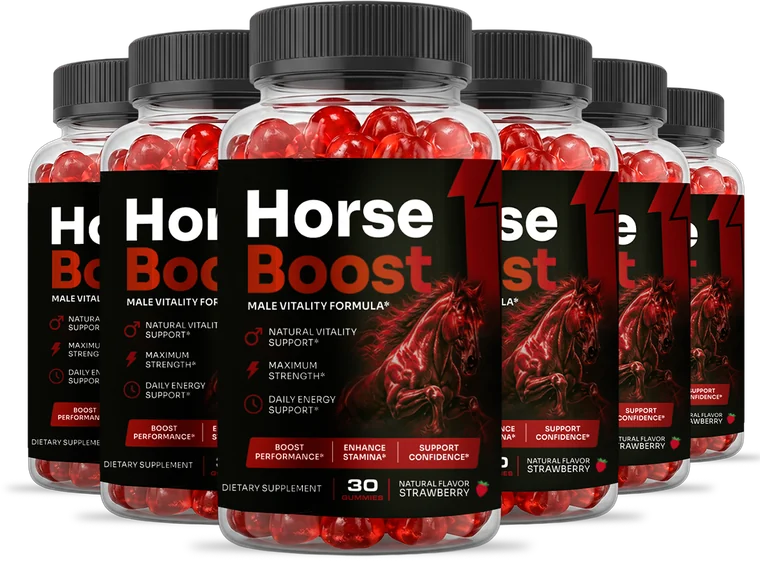
A botanical formula such as HorseBoost can provide supportive nutritional input alongside the five habits above. What it cannot do is substitute for any of them, and any product suggesting otherwise is selling you permission to skip the work.
The men who report the best results from supplements in this category are almost always the ones already training, sleeping properly and eating reasonably — which tells you something about where the effect is actually coming from.
If you are going to try one, understand what you are buying: gradual support, assessed over months, on top of a foundation you have already built. See our 90-day review for a straight assessment.