5 mg Of Caffeine: What That Figure Actually Means
A supplement declaring 5 mg of caffeine per serving contains roughly one nineteenth of the caffeine in a mug of filter coffee.
That is not a criticism — it tells you exactly what kind of product you are holding, which is more than most labels manage.
Milligrams are meaningless on their own
Supplement labels quote caffeine in milligrams because that is the correct unit. The problem is that almost nobody has an intuition for what a milligram of caffeine feels like, which makes the number easy to present however a marketer prefers.
So here is the context that turns the figure into information.
Caffeine per serving, compared
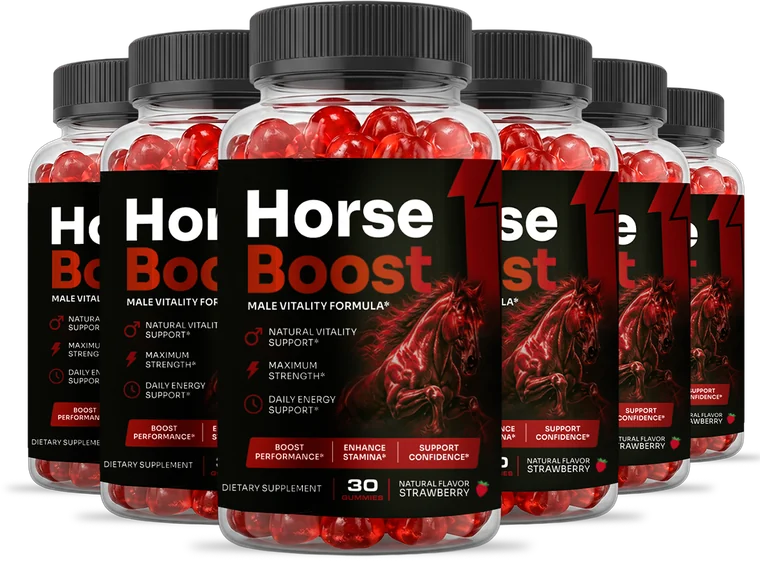
HorseBoost declares 5 mg of caffeine per gummy — roughly one nineteenth of a mug of filter coffee. Typical figures for the comparison drinks are shown for context.
Reading the chart
A mug of filter coffee sits around 95 mg. An espresso shot is roughly 63 mg — less than the coffee despite tasting stronger, because the serving is far smaller. A cup of green tea lands near 28 mg.
Against those, 5 mg is a rounding error. It is roughly what you would get from two mouthfuls of green tea, or about one nineteenth of an ordinary coffee. Nobody has ever felt 5 mg of caffeine and there is no mechanism by which they would.
Why a product would include a trace amount at all
Three plausible reasons, and they are not all cynical.
It comes along with something else. Green tea extract contains caffeine naturally. If a formula includes green tea for its catechins, some caffeine arrives with it and has to be declared. This is often the honest explanation.
Label appeal. Seeing ‘caffeine’ on an energy-related product reassures buyers who associate the word with working, whether or not the amount does anything.
Genuine formulation choice. Some products deliberately keep caffeine minimal so they can be taken daily without tolerance, sleep disruption or a crash. For a supplement designed for months of continuous use, that is a defensible decision.
Where marketing goes wrong
The problem is not the 5 mg. It is calling it ‘a moderate amount’ that may ‘help reduce fatigue and support mental and physical performance’, which is how at least one review site describes exactly this figure.
That description would be reasonable at 100 mg. At 5 mg it is simply inaccurate, and it sets buyers up to expect a lift that the label cannot deliver. Disappointment then gets blamed on the whole product rather than on the claim.
What counts as a meaningful dose
For reference, research on caffeine and performance generally uses doses from roughly 100 mg upward, often scaled to bodyweight. Energy drinks typically land between 80 and 150 mg. A pre-workout can exceed 300 mg.
Anything under about 20 mg is best understood as incidental — present, declared honestly, and doing very little.
Applying this to HorseBoost
HorseBoost declares 5 mg of caffeine per gummy, and it is one of only two ingredients on the label with a stated weight.
The practical conclusion is straightforward: this is not a stimulant product. If you want something that makes you feel switched on within thirty minutes, this is the wrong purchase and no amount of marketing changes that. If you want daily botanical support that will not disturb your sleep or build tolerance, the low figure is a feature rather than a shortfall.
Our full review covers where else the formula is strong and where it is not.