Ashwagandha, Stress And Energy: What The Research Shows
Ashwagandha is an adaptogen used in Ayurvedic practice for centuries and now among the most researched botanicals in the supplement industry.
In a men's vitality formula it is usually the ingredient with the strongest modern evidence behind it — and the one with interactions worth knowing about.
What an adaptogen is supposed to do
The term describes a botanical said to help the body adapt to physical and mental demands — moderating the stress response rather than stimulating or sedating.
It is a loose category and worth a little scepticism as a label. But Ashwagandha (Withania somnifera) is the member of it with the most modern research attached, and the NIH Office of Dietary Supplements maintains a fact sheet on it worth reading directly.
Why stress belongs in an energy conversation
This is the connection most men miss when they think about feeling flat.
Cortisol, the primary stress hormone, exists to mobilise energy for short emergencies. Released briefly it is useful. Released continuously — which is what a demanding job, poor sleep or financial pressure produces — it suppresses recovery, disrupts sleep architecture and works against the very energy it was meant to liberate.
Which is why loading up on stimulants when you feel flat often makes things worse over a few weeks. You are pushing harder on a system already running hot. Addressing the stress side is the less obvious but more sustainable route.
What the research looks at
Research on Ashwagandha has examined its effect on perceived stress, cortisol levels, sleep quality and, in some trials, exercise performance and recovery.
The honest summary: the evidence base is genuinely better than for most botanicals in this category, with a number of randomised controlled trials rather than only traditional use. It is also not overwhelming — many trials are small, and effect sizes are moderate rather than dramatic. That is a meaningful endorsement in relative terms without being a strong one in absolute terms.
Dose is the part labels rarely let you check
Trials typically use standardised root extracts at doses in the region of 300 to 600 mg daily, often standardised to a specified withanolide percentage. The standardisation matters as much as the weight, because withanolides are the compounds of interest.
Now compare that to a formula listing Ashwagandha among several botanicals without any individual amount. You cannot tell whether you are getting a research-comparable dose or a token inclusion, and there is no way to work it out from the outside.
This is the single most useful question to ask about any Ashwagandha product: how much, and standardised to what? We wrote about that gap in when a label hides amounts.
Interactions worth taking seriously
None of this makes Ashwagandha dangerous for healthy adults. It makes it an ingredient worth mentioning at an appointment you already have, particularly the thyroid interaction, which is the one people are least likely to anticipate.
Realistic expectations
Ashwagandha is not a stimulant and will not feel like one. Trials generally run eight to twelve weeks, and where benefits appear they build over that period rather than arriving in the first fortnight.
If your stress is situational and severe, or affecting sleep and mood over a sustained period, that is a conversation for a doctor rather than a supplement decision. Ashwagandha supports an ordinary stress response; it does not treat a disorder.
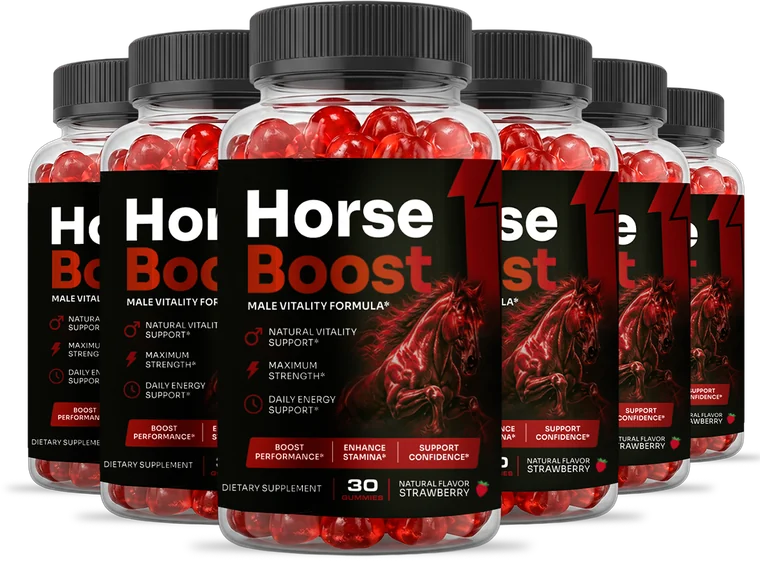
In HorseBoost it sits alongside seven other unquantified ingredients, which is the same limitation the rest of the category shares. See also our piece on nitric oxide and circulation.